
In modern gaming environments, player awareness is not just a matter of preference but a critical element of responsible engagement. Casino platforms, both online and physical, have evolved significantly to ensure that players are not only entertained but also informed and protected. This development stems from the understanding that transparency, communication, and intuitive design directly impact the way individuals perceive and interact with gambling experiences. Awareness encompasses several dimensions, including understanding game mechanics, recognizing risk levels, managing spending, and knowing when to take breaks. A well-structured platform integrates these aspects seamlessly into the user experience, creating a balance between enjoyment and informed decision-making.
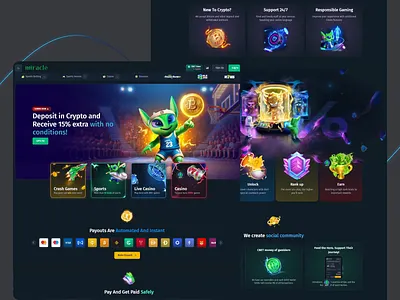
One of the foundational ways casinos support player awareness is through interface clarity. Modern platforms emphasize intuitive navigation, clear labeling, and consistent visual cues. Buttons, menus, and informational pop-ups are designed to minimize confusion and highlight critical information, such as current balances, bet sizes, and game rules. By presenting this information in an accessible and visually coherent manner, players can easily monitor their activity, reducing the likelihood of unintended overspending or misunderstanding game outcomes. Clarity also extends to feedback systems, where immediate and unambiguous responses to player actions reinforce learning and confidence in the platform’s reliability.
Another significant factor is the use of real-time notifications and alerts. Platforms increasingly provide alerts for key moments, such as approaching deposit limits, extended play periods, or significant wins and losses. These prompts function as subtle but effective reminders, encouraging players to remain conscious of their activity. By integrating these systems, casinos actively promote a culture of mindfulness, where players are continuously aware of their choices and potential consequences. This real-time approach not only enhances safety but also reinforces responsible gaming practices, aligning the platform with regulatory expectations and ethical standards.
Casino platforms also support awareness through educational resources. Tutorials, demonstration games, and detailed guides help players understand the mechanics of each game before committing real money. Clear explanations of volatility, odds, and payout structures empower players to make informed decisions. For example, a player exploring a slot machine can learn about how random number generation affects outcomes, or how different betting strategies impact potential returns. Such resources demystify complex aspects of gambling, reducing anxiety and promoting informed engagement. Education is particularly effective when it is integrated contextually within the platform, allowing players to access information precisely when it is relevant to their decisions.
Transparency regarding rules and fairness is equally crucial. Reputable platforms provide visible information about licensing, regulatory compliance, and auditing procedures. Random number generators and game fairness certifications are often displayed, offering reassurance that outcomes are unbiased and trustworthy. This transparency cultivates player confidence and encourages rational participation. When players understand that games are not manipulated and that results are genuine, they are better positioned to focus on enjoyment rather than suspicion or doubt. Confidence in fairness is a cornerstone of awareness, bridging the gap between entertainment and informed decision-making.
Player control tools also play a central role in fostering awareness. Many platforms offer customizable settings, such as deposit limits, session timers, loss caps, and self-exclusion options. By empowering users to set boundaries, the platform encourages proactive management of behavior and spending. These controls act as both preventative and educational mechanisms, helping players recognize their patterns and make conscious choices. Platforms that make these tools easily accessible and straightforward to use demonstrate a commitment to player well-being, emphasizing that awareness is not passive but an active, manageable aspect of gaming.
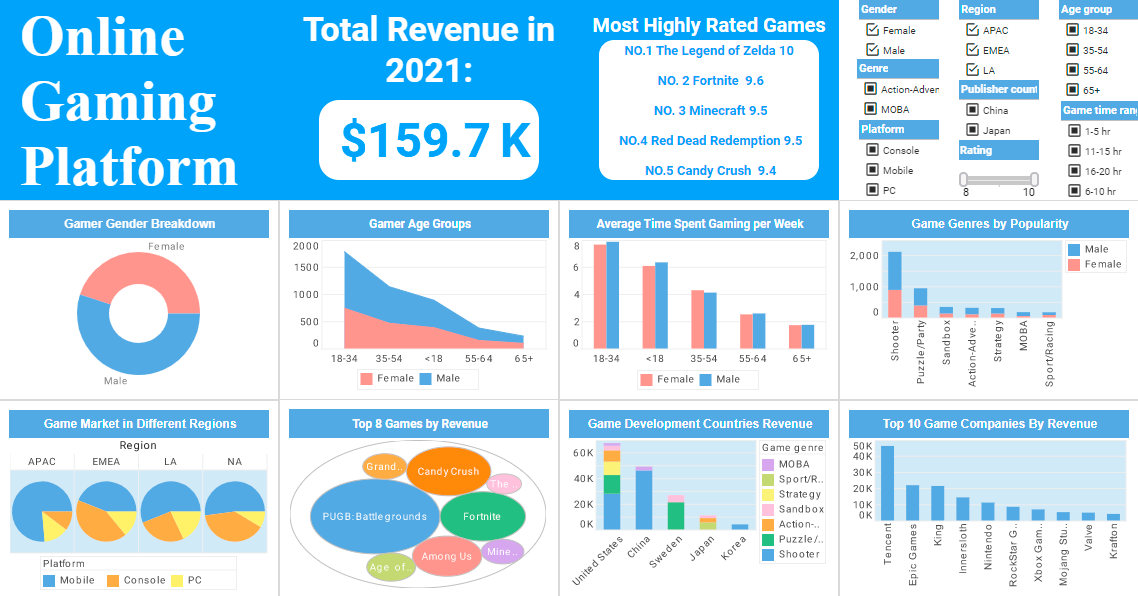
Data visualization and feedback mechanisms further enhance awareness. Dashboards that summarize play history, betting patterns, and spending trends allow players to gain insights into their habits over time. Clear charts and statistics can highlight areas of concern, such as escalating bets or extended play periods, prompting reflection and adjustment. By providing a holistic view of activity, platforms transform raw data into meaningful insights, helping players remain engaged while maintaining perspective. Awareness is thus reinforced through information, encouraging informed reflection rather than reactive behavior.
Social responsibility is intertwined with platform-supported awareness. Responsible gaming messages, prompts for breaks, and access to professional help services are integrated features that align entertainment with well-being. Platforms that consistently remind players about responsible behavior, without detracting from the gaming experience, reinforce a culture of care. Awareness is not merely about understanding odds or managing funds; it also encompasses emotional and psychological literacy, recognizing when to pause, seek guidance, or modify behavior. By embedding these reminders naturally within the user experience, platforms normalize responsible habits while maintaining engagement.
Personalization enhances awareness by tailoring insights and recommendations to individual player profiles. Machine learning and behavioral analytics allow platforms to offer relevant notifications, such as suggested break times or alerts when spending exceeds typical patterns. By adapting to personal behavior, platforms ensure that guidance is meaningful and contextually appropriate, avoiding generic or intrusive warnings. This personalized approach aligns with modern expectations for digital services, where relevance and timing are as important as content.
Finally, the integration of transparency, education, feedback, and control creates a cohesive ecosystem that actively nurtures player awareness. Platforms that prioritize these elements not only support responsible gaming but also enhance satisfaction and trust. Players feel empowered, informed, and confident, which strengthens loyalty and promotes a healthier gaming culture. Awareness, when supported systematically by technology and design, becomes a central pillar of the casino experience, balancing entertainment with responsibility and reinforcing the platform’s role as a trusted facilitator of informed play.

Leave a Reply