Online slot games have evolved significantly over the past two decades, moving from simple mechanical reels to sophisticated digital platforms that offer complex gameplay, immersive graphics, and interactive features. One of the most interesting aspects of modern online slots is how they can help players develop a sense of control, even within games fundamentally driven by randomness. At first glance, slots appear to be purely games of chance, with outcomes determined by random number generators (RNGs). Yet, beneath the surface, design choices, feature structures, and user interfaces contribute to a perception of mastery that strengthens user engagement and decision-making skills.
The first factor in this perceived control is the clarity of game mechanics. Unlike many casino games that require extensive rules comprehension or strategic knowledge, slot games are designed for instant understanding. Players can quickly grasp paylines, bonus triggers, and symbol hierarchies. This transparency allows users to make informed choices regarding bet sizes, line selections, and whether to activate optional features such as multipliers or free spins. By understanding the mechanics, players feel empowered to influence their session within the constraints of the game, enhancing their sense of agency.
Another element contributing to user control is the role of volatility and risk management. Slot games vary in volatility, with some offering frequent small wins and others delivering rare but significant payouts. By allowing players to select games based on volatility levels, developers provide a way for users to tailor experiences according to personal risk tolerance. This choice is more than cosmetic; it involves an understanding of statistical probabilities and risk assessment. Players who actively choose lower or higher volatility slots are engaging in a subtle form of strategic control, learning to manage expectations and adjust their approach based on feedback from previous spins.
Interactive features and bonus mechanics further reinforce user control. Modern slots often include free spins, pick-and-click games, cascading reels, or multipliers, which offer layers of engagement beyond the basic spin. Each bonus round may involve decision points where the player selects options that influence outcomes. While the ultimate results remain probabilistic, these moments of interaction create an illusion of agency and skill application. Users feel they are participating actively, making choices that impact the game’s progression, even if the central RNG maintains the element of chance.
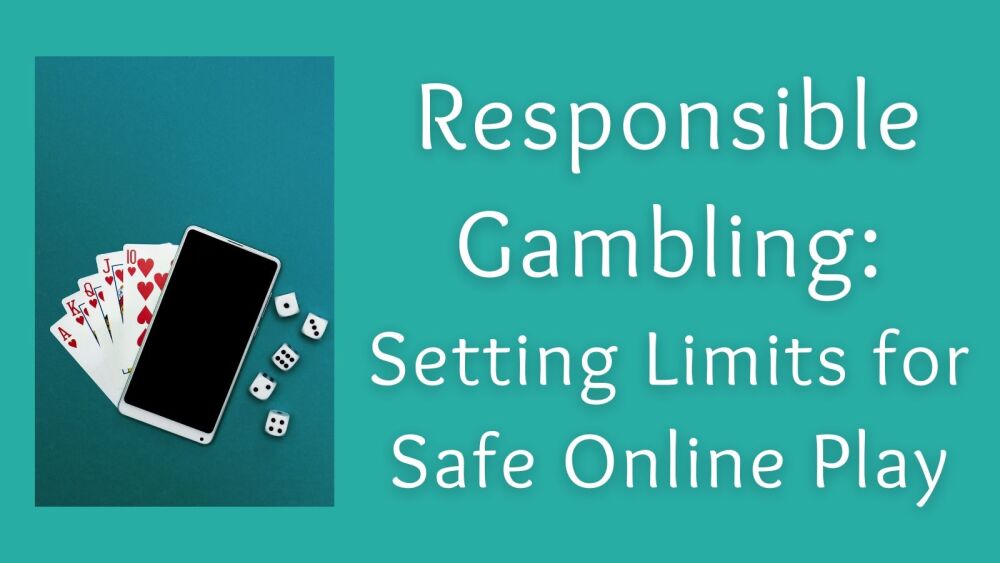
Bankroll management is another area where online slots promote a sense of control. Platforms typically allow users to set bet amounts per spin, determine maximum losses, and use features such as auto-play with set limits. Players who approach their sessions with defined budgets and exploit these controls experience a tangible sense of ownership over their gambling behavior. This aligns with responsible gaming practices, encouraging players to monitor their spending and pace their play, while simultaneously reinforcing personal control over the gaming environment.
Feedback mechanisms within slot interfaces are also crucial. Visual and auditory cues, progress meters, and win notifications provide immediate feedback on actions, reinforcing user decisions. For example, a small win highlighted with celebratory animations signals progress and encourages continued engagement. Conversely, transparent reporting of losses allows users to adjust strategies, change games, or exit sessions responsibly. This real-time feedback loop creates a dynamic where players are constantly evaluating outcomes, adjusting bets, and making decisions, thereby feeling more in control even within a probabilistic system.
Moreover, many online slot platforms integrate features that track performance, session length, and expenditure. Players can review histories, analyze patterns, and observe trends over time. While these metrics cannot guarantee wins, they provide a structured framework for decision-making. Knowledge of past spins and results allows players to plan sessions more strategically, choose appropriate games, and apply insights gained from experience. This analytical layer fosters a higher degree of cognitive engagement, supporting a perception of control that extends beyond moment-to-moment gameplay.
User interface design and personalization also play an important role. Slots that allow players to customize settings, choose themes, or adjust spin speeds contribute to an immersive and comfortable environment. Personalization options create a sense of ownership over the experience, where players feel that their preferences shape how the game is played. By empowering users to create a tailored gaming environment, developers reinforce the perception of control and agency, which can enhance both enjoyment and engagement.
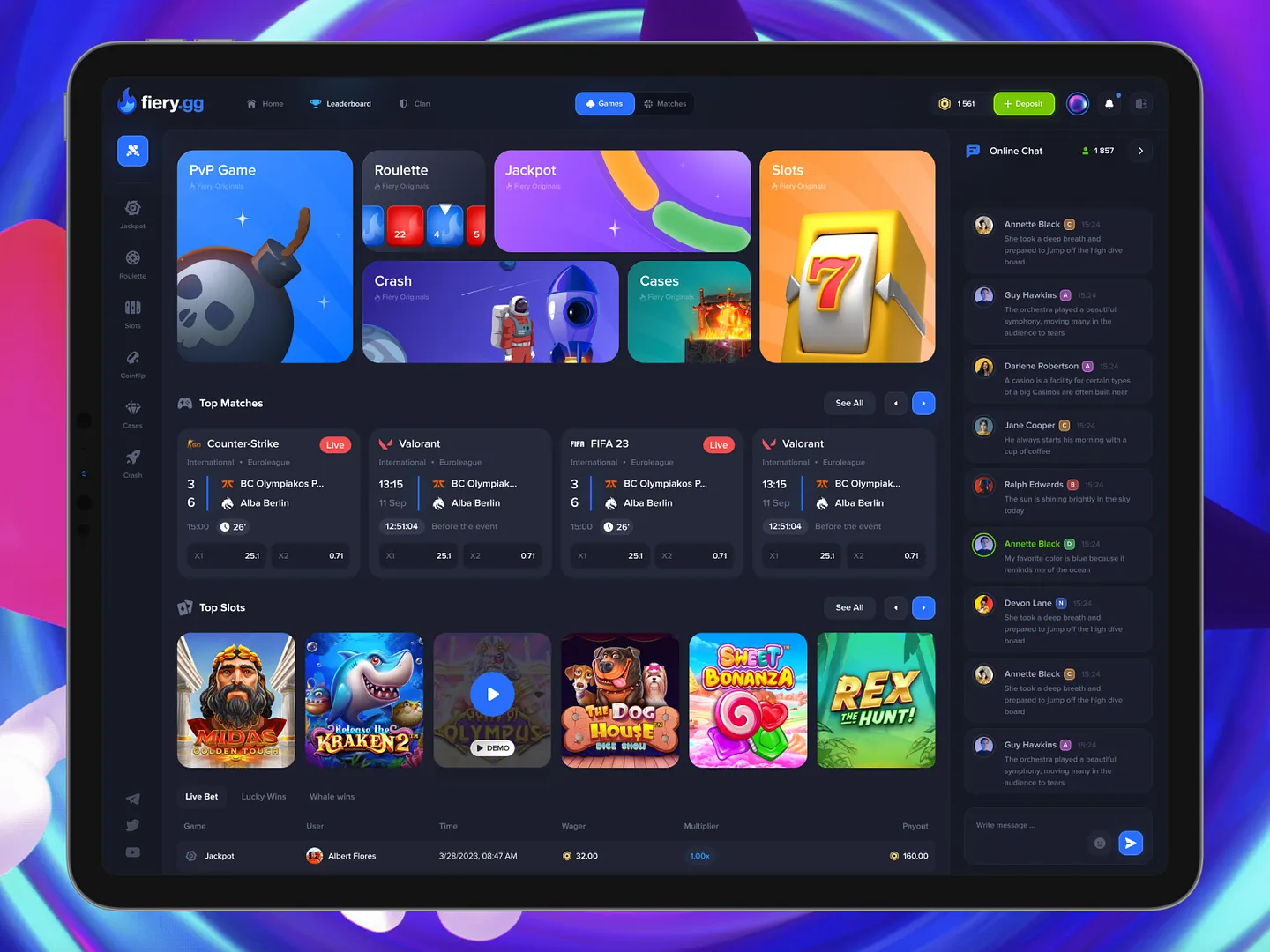
The integration of social and competitive features introduces another dimension of control. Leaderboards, achievements, and community interactions allow players to gauge their performance relative to peers. While competition in slots is indirect and largely symbolic, it encourages players to set goals, track progress, and make strategic decisions within gameplay. Achieving milestones or unlocking new levels generates satisfaction derived from skillful engagement, reinforcing a sense of mastery over both game mechanics and personal performance.
Educational tools embedded in some online slots also enhance user control. Tutorials, explanatory pop-ups, and help guides demystify bonus mechanics, paytable structures, and volatility characteristics. By reducing uncertainty and clarifying expectations, these resources empower users to make informed decisions. Players gain knowledge about how different features operate, which in turn strengthens confidence and control in the gaming environment.
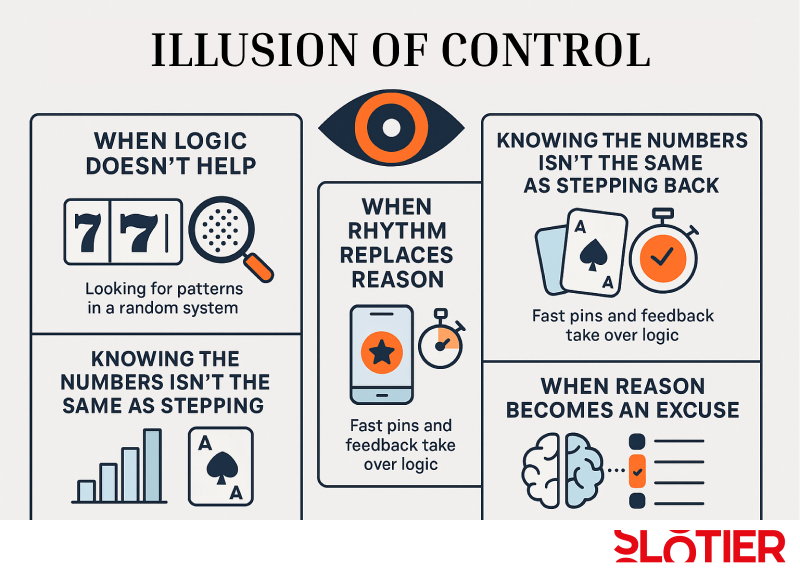
It is important to note that the sense of control fostered by online slots is psychological rather than absolute. RNGs ensure that outcomes remain unpredictable, and no amount of strategy can guarantee a win. However, by providing opportunities for informed choices, interactive engagement, feedback, and personalization, slot developers create an experience where players feel capable of managing risk, influencing progression, and optimizing enjoyment. This perceived control is a significant factor in user satisfaction and sustained engagement, as players are more likely to remain involved when they feel their actions have meaningful impact.
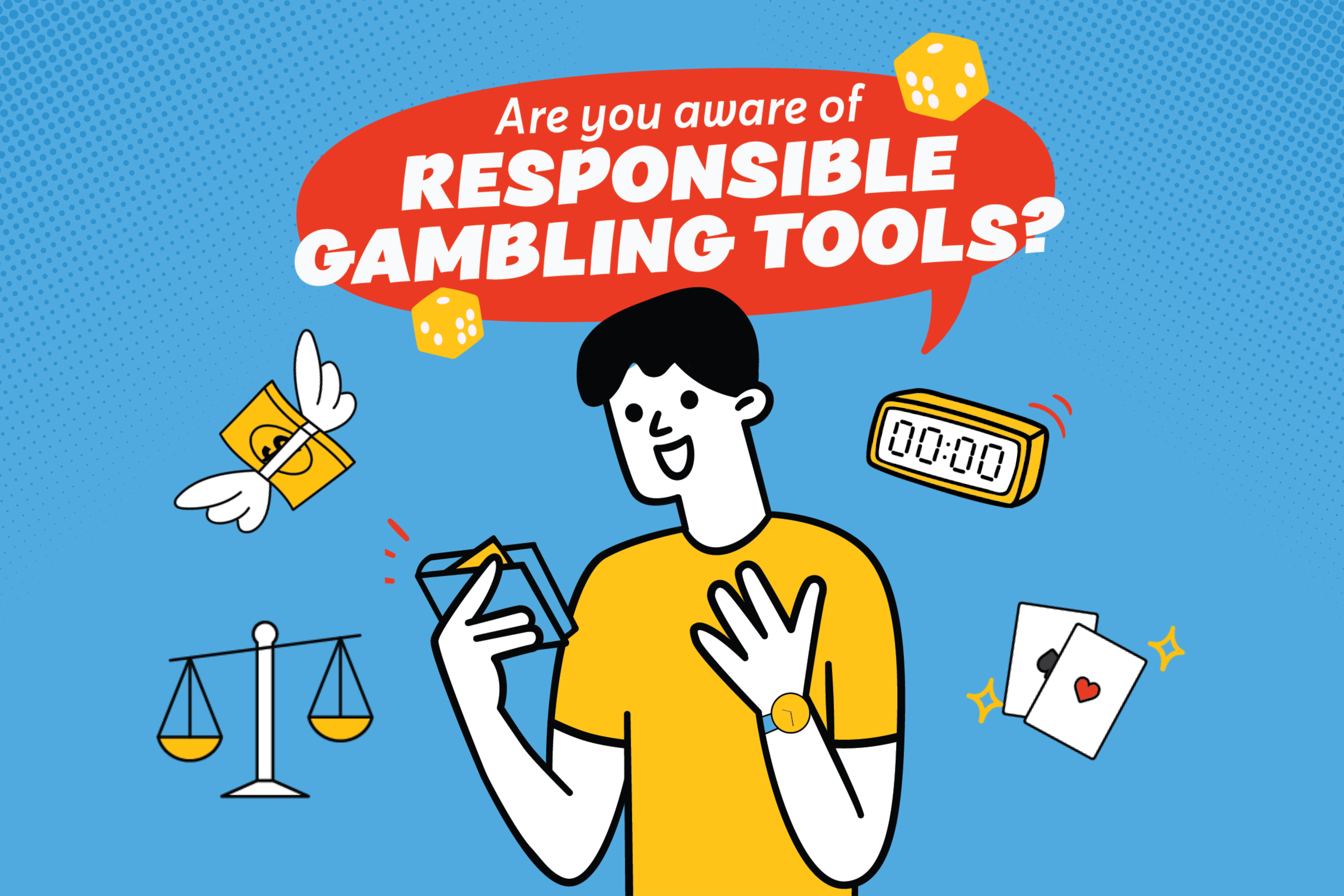
Finally, the responsible design of online slots emphasizes control not only in gameplay but also in maintaining safe engagement. Features such as session reminders, loss limits, and self-exclusion options provide players with tools to govern their behavior, reinforcing the idea that control extends beyond the virtual reels. By embedding these mechanisms, platforms signal that user agency and well-being are central to the experience, creating an environment where users feel both empowered and protected.
In conclusion, online slot games exemplify how digital gaming can enhance user control through a combination of clear mechanics, interactive features, feedback systems, personalization, and responsible design. Players develop skills in decision-making, risk assessment, and strategic engagement, even within a framework governed by randomness. While outcomes remain uncertain, the thoughtful structuring of gameplay provides users with multiple avenues to exercise choice, monitor performance, and shape their experience. This interplay between chance and perceived control lies at the heart of modern online slots, fostering both enjoyment and a sense of mastery that strengthens user confidence and promotes sustained, responsible engagement.