
Responsible gaming is a critical aspect of modern casino platforms, reflecting an evolution in how operators interact with players and the broader gambling ecosystem. A casino platform that emphasizes responsible gaming does not merely provide entertainment; it actively implements systems and policies designed to protect players, promote healthy gambling habits, and mitigate the risk of addiction. This multifaceted approach combines technology, data analytics, user education, and regulatory compliance to create an environment where gaming can remain safe and enjoyable.
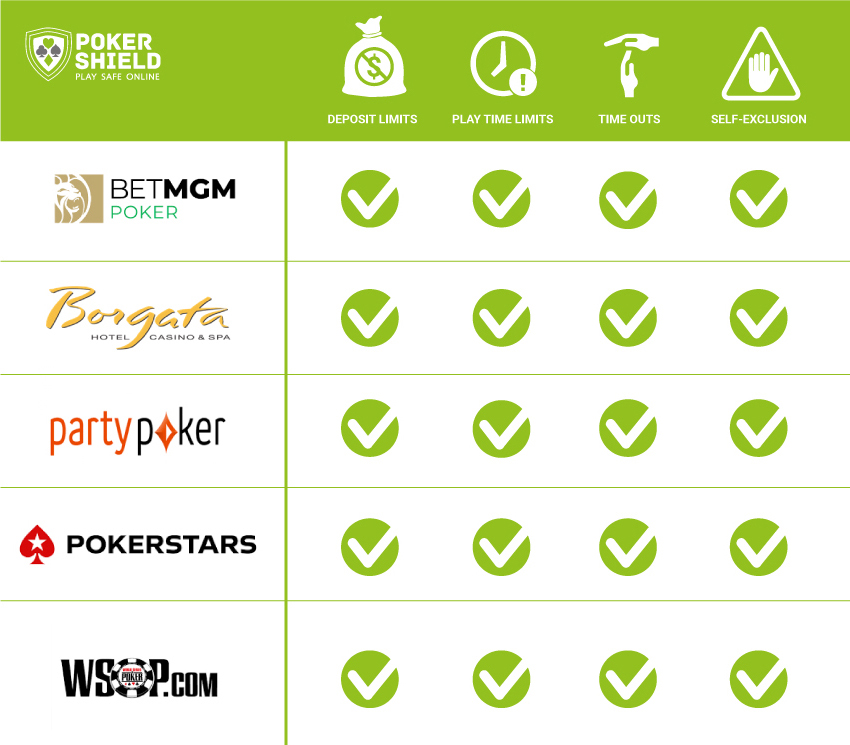
One of the primary ways a casino platform enhances responsible gaming is through account-based controls. Players are often given the ability to set limits on their deposits, losses, wagers, or even session durations. These self-imposed limits are supported by robust platform monitoring tools, which can track player behavior in real-time. By integrating automated alerts, the system can notify players when they are approaching or exceeding their set thresholds. This proactive approach helps to prevent impulsive decision-making and encourages players to maintain control over their gambling activity.
In addition to self-imposed limits, advanced casino platforms leverage behavioral analytics to identify patterns indicative of problem gambling. Algorithms can detect signs such as increasing frequency of play, higher than usual wagers, or sudden changes in gambling patterns. Once identified, the platform can intervene with targeted messaging, offering resources such as helplines, counseling services, or temporary account restrictions. This predictive monitoring is not intrusive but acts as a safety net, enabling early intervention before gambling behavior becomes harmful.
Education and awareness form another cornerstone of responsible gaming strategies on casino platforms. Interactive tutorials, informative articles, and on-screen reminders about the risks of gambling ensure that players are well-informed about the potential consequences of excessive play. Many platforms also include reality-check features, which periodically remind players of the time spent playing and the amounts wagered. These nudges serve to increase mindfulness, preventing extended sessions that could lead to fatigue, impaired judgment, or loss of financial control.
Regulatory compliance is intrinsically tied to responsible gaming. Licensed casino platforms operate under strict rules set by governing authorities, which often mandate the implementation of player protection measures. Compliance ensures that operators adhere to minimum standards for fairness, transparency, and safety. Features such as age verification, identity authentication, and geolocation checks are not only regulatory requirements but also help prevent underage or unauthorized gambling. By embedding compliance into platform design, casinos reinforce the integrity of their operations while simultaneously supporting responsible play.
Technological innovation has expanded the ways in which platforms can support responsible gaming. Artificial intelligence and machine learning can personalize player experiences, tailoring alerts and recommendations based on individual behavior. For example, a system may notice that a player frequently increases bet sizes after a loss, a pattern associated with chasing losses. The platform can then provide a customized message advising caution or suggesting a temporary break. This personalized approach ensures that interventions are relevant and effective, rather than generic warnings that may be ignored.
Accountability and transparency are further enhanced through reporting and analytics dashboards available to players. Many platforms allow users to review their gambling history, including deposits, wagers, and winnings. This level of transparency enables players to make informed decisions about their gaming habits and fosters a sense of control. By providing clear and accessible data, platforms empower players to monitor their behavior independently, supporting long-term responsible gaming practices.
Collaboration with external organizations is another important element. Leading casino platforms often partner with responsible gambling organizations, charities, and treatment providers. These partnerships facilitate access to specialized support for players who may be experiencing difficulties. Integration of self-exclusion programs, where a player can voluntarily restrict access to all gambling services for a designated period, is a practical example of collaboration in action. These programs are reinforced by technical safeguards, ensuring that excluded players cannot bypass restrictions easily.
Moreover, gamification elements on modern casino platforms are being adapted to promote responsible behavior rather than solely encouraging play. For instance, reward systems can be structured to incentivize responsible gaming choices, such as maintaining deposit limits or taking regular breaks. By aligning engagement mechanics with positive behavioral outcomes, platforms encourage a balanced approach to gaming, reducing the risk of addictive patterns developing.
Communication and support channels are essential for promoting responsible gaming. Live chat, email support, and dedicated hotlines provide immediate access to assistance. Platforms that integrate 24/7 support ensure that players can receive guidance whenever necessary, addressing concerns before they escalate. Staff trained in recognizing problem gambling behaviors can intervene appropriately, offering advice or directing players to professional services. This human element complements technological interventions, creating a comprehensive safety framework.
The financial structure of the platform also plays a role in encouraging responsible play. Features such as loss limits, deposit cooling-off periods, and optional spend caps reinforce safe gaming practices. Payment systems can be designed to allow time-delayed deposits or set spending alerts, providing a buffer that reduces impulsive wagering. By controlling the financial flow and integrating safeguards into the transactional layer, platforms help prevent overspending and financial harm.
Ultimately, a casino platform’s commitment to responsible gaming is reflected in its culture and design philosophy. From technical safeguards to educational initiatives and regulatory adherence, every aspect of the platform is aligned to create a safe and transparent environment. By combining technology, data insights, education, and human support, modern casino platforms enable players to enjoy gaming responsibly, balancing entertainment with personal safety. This holistic approach not only protects individuals but also builds trust, reinforcing the long-term reputation and sustainability of the platform in a competitive and regulated industry.
The integration of continuous improvement mechanisms ensures that responsible gaming measures evolve alongside player behavior and technological developments. Regular audits, player feedback loops, and updates to intervention algorithms help platforms remain effective in addressing emerging risks. In this way, responsible gaming is not a static feature but a dynamic component of platform design, constantly refining strategies to support player well-being while maintaining an engaging gaming experience.









Leave a Reply